

The Ultimate Guide to Contact Tips: Everything You Need to Know
Aug 31,2023
Table of Contents:
1. Understanding Contact Tips: The Basics
2. Importance of Choosing the Right Contact Tips
3. Types of Contact Tips and Their Applications
4. Factors to Consider When Selecting Contact Tips
5. Tips for Maintaining and Cleaning Contact Tips
6. Troubleshooting Common Contact Tip Issues
7. Frequently Asked Questions (FAQs)
8. Conclusion
1. Understanding Contact Tips: The Basics
Con
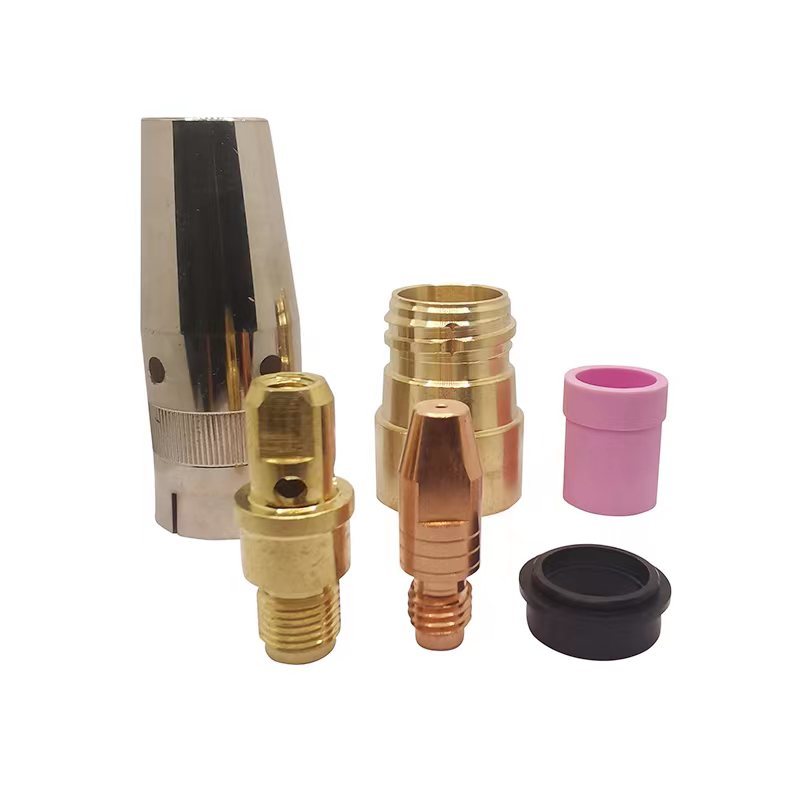
Table of Contents:
1. Understanding Contact Tips: The Basics
2. Importance of Choosing the Right Contact Tips
3. Types of Contact Tips and Their Applications
4. Factors to Consider When Selecting Contact Tips
5. Tips for Maintaining and Cleaning Contact Tips
6. Troubleshooting Common Contact Tip Issues
7. Frequently Asked Questions (FAQs)
8. Conclusion
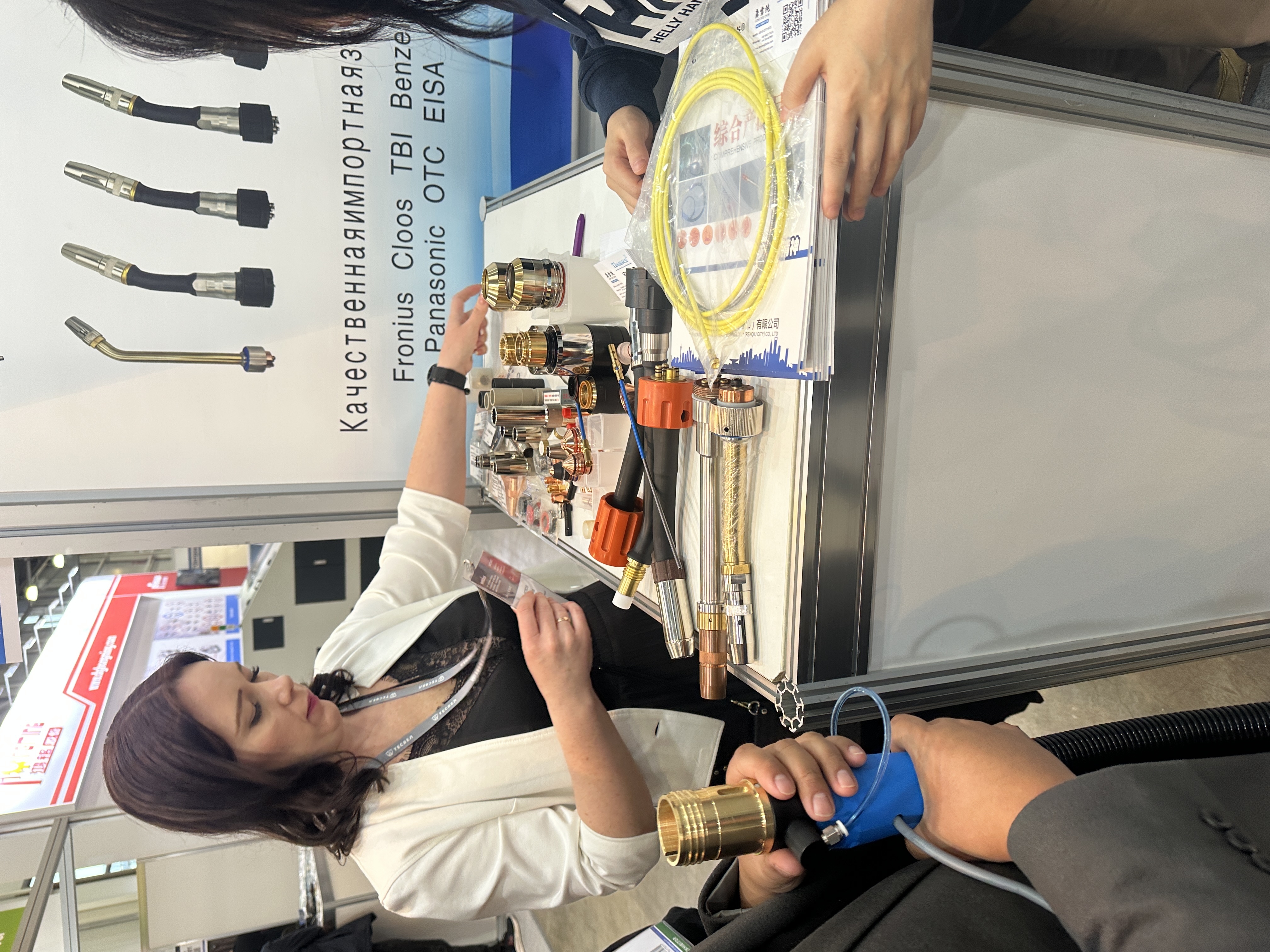
Contact tips are a crucial component of welding and cutting equipment. They play a vital role in facilitating the transfer of current and ensuring a smooth arc. This section will explain the fundamental concepts and functions of contact tips.
Contact tips are small metal components that guide the welding wire and provide a point of contact with the workpiece. They are usually made of copper alloys and come in various sizes and shapes.
Contact tips create a conductive path for the welding current to pass through. They guide the wire electrode and maintain the proper electrical contact with the workpiece, enabling the heat generation required for welding or cutting.
Selecting the appropriate contact tips is essential to achieve optimal welding or cutting performance. This section highlights the significance of choosing the right contact tips and the impact it can have on your projects.
By using the correct contact tip size and material, you can ensure efficient current transfer, which directly affects the quality of your welds or cuts. Proper current transfer minimizes heat buildup and reduces the risk of wire sticking or burning.
The right contact tips enable smooth wire feeding and consistent arc stability, resulting in improved productivity. With the correct contact tips, you can reduce downtime due to wire feeding issues and achieve optimal performance throughout your welding or cutting operations.
This section explores the various types of contact tips available in the market and their specific applications. Understanding these options will help you make an informed decision when choosing contact tips for your welding or cutting needs.
Standard contact tips are the most commonly used type and are suitable for a wide range of applications. They offer good conductivity and are available in different sizes to accommodate various wire diameters.
Threaded contact tips are designed for use with specific welding torches or guns that require a threaded connection. These tips provide a secure and stable connection, minimizing the risk of wire displacement during welding or cutting.
Tapered contact tips are ideal for precision welding or cutting applications that require better access to tight spaces. Their tapered shape allows for improved visibility and maneuverability, enhancing overall control and accuracy.
Choosing the right contact tips involves considering several factors. This section discusses key elements that should guide your decision-making process to ensure optimal performance and durability.
Select contact tips that match the wire diameter you will be using. Using an incorrect size can lead to inconsistent wire feeding and compromised welding or cutting results.
Consider the material composition of the contact tips, as it can impact their conductivity and resistance to wear. Copper alloys are commonly used for their excellent electrical conductivity and heat dissipation properties.
Take into account the specific requirements of your welding or cutting application. Factors such as joint configuration, material thickness, and welding technique can influence the choice of contact tips.
Proper maintenance and cleaning of contact tips are essential for their longevity and consistent performance. This section provides helpful tips on how to maintain and clean your contact tips effectively.
Regularly inspect your contact tips for signs of wear, damage, or accumulation of spatter. Replace worn or damaged tips promptly to avoid compromising the quality of your welds or cuts.
Clean contact tips regularly to remove spatter and debris that can hinder wire feeding and affect the electrical contact. Use appropriate cleaning tools and techniques to ensure thorough cleaning without causing damage.
Even with proper care and maintenance, contact tip issues can occur. This section outlines common problems that may arise and provides troubleshooting suggestions to help you address them effectively.
Wire sticking or burn-back can be caused by insufficient or excessive wire stick-out, improper wire tension, or worn-out contact tips. Adjusting these parameters and replacing worn tips can resolve these issues.
Excessive spatter can result from various factors, including incorrect welding parameters, improper shielding gas, or dirty contact tips. Adjusting welding settings, ensuring proper gas flow, and cleaning contact tips can help reduce spatter.
In conclusion, understanding the importance of contact tips and choosing the right ones for your welding or cutting needs is crucial. By following the guidelines provided in this ultimate guide, you can optimize your contact tip knowledge and enhance your overall welding or cutting experience. Remember to regularly inspect, clean, and maintain your contact tips to ensure optimal performance and longevity.
1. Understanding Contact Tips: The Basics
2. Importance of Choosing the Right Contact Tips
3. Types of Contact Tips and Their Applications
4. Factors to Consider When Selecting Contact Tips
5. Tips for Maintaining and Cleaning Contact Tips
6. Troubleshooting Common Contact Tip Issues
7. Frequently Asked Questions (FAQs)
8. Conclusion
1. Understanding Contact Tips: The Basics
Contact tips are a crucial component of welding and cutting equipment. They play a vital role in facilitating the transfer of current and ensuring a smooth arc. This section will explain the fundamental concepts and functions of contact tips.
1.1 What Are Contact Tips?
Contact tips are small metal components that guide the welding wire and provide a point of contact with the workpiece. They are usually made of copper alloys and come in various sizes and shapes.
1.2 How Do Contact Tips Work?
Contact tips create a conductive path for the welding current to pass through. They guide the wire electrode and maintain the proper electrical contact with the workpiece, enabling the heat generation required for welding or cutting.
2. Importance of Choosing the Right Contact Tips
Selecting the appropriate contact tips is essential to achieve optimal welding or cutting performance. This section highlights the significance of choosing the right contact tips and the impact it can have on your projects.
2.1 Ensuring Efficient Current Transfer
By using the correct contact tip size and material, you can ensure efficient current transfer, which directly affects the quality of your welds or cuts. Proper current transfer minimizes heat buildup and reduces the risk of wire sticking or burning.
2.2 Maximizing Welding/Cutting Productivity
The right contact tips enable smooth wire feeding and consistent arc stability, resulting in improved productivity. With the correct contact tips, you can reduce downtime due to wire feeding issues and achieve optimal performance throughout your welding or cutting operations.
3. Types of Contact Tips and Their Applications
This section explores the various types of contact tips available in the market and their specific applications. Understanding these options will help you make an informed decision when choosing contact tips for your welding or cutting needs.
3.1 Standard Contact Tips
Standard contact tips are the most commonly used type and are suitable for a wide range of applications. They offer good conductivity and are available in different sizes to accommodate various wire diameters.
3.2 Threaded Contact Tips
Threaded contact tips are designed for use with specific welding torches or guns that require a threaded connection. These tips provide a secure and stable connection, minimizing the risk of wire displacement during welding or cutting.
3.3 Tapered Contact Tips
Tapered contact tips are ideal for precision welding or cutting applications that require better access to tight spaces. Their tapered shape allows for improved visibility and maneuverability, enhancing overall control and accuracy.
4. Factors to Consider When Selecting Contact Tips
Choosing the right contact tips involves considering several factors. This section discusses key elements that should guide your decision-making process to ensure optimal performance and durability.
4.1 Wire Diameter Compatibility
Select contact tips that match the wire diameter you will be using. Using an incorrect size can lead to inconsistent wire feeding and compromised welding or cutting results.
4.2 Material Selection
Consider the material composition of the contact tips, as it can impact their conductivity and resistance to wear. Copper alloys are commonly used for their excellent electrical conductivity and heat dissipation properties.
4.3 Application Specifics
Take into account the specific requirements of your welding or cutting application. Factors such as joint configuration, material thickness, and welding technique can influence the choice of contact tips.
5. Tips for Maintaining and Cleaning Contact Tips
Proper maintenance and cleaning of contact tips are essential for their longevity and consistent performance. This section provides helpful tips on how to maintain and clean your contact tips effectively.
5.1 Regular Inspection and Replacement
Regularly inspect your contact tips for signs of wear, damage, or accumulation of spatter. Replace worn or damaged tips promptly to avoid compromising the quality of your welds or cuts.
5.2 Cleaning Contact Tips
Clean contact tips regularly to remove spatter and debris that can hinder wire feeding and affect the electrical contact. Use appropriate cleaning tools and techniques to ensure thorough cleaning without causing damage.
6. Troubleshooting Common Contact Tip Issues
Even with proper care and maintenance, contact tip issues can occur. This section outlines common problems that may arise and provides troubleshooting suggestions to help you address them effectively.
6.1 Wire Sticking or Burn-Back
Wire sticking or burn-back can be caused by insufficient or excessive wire stick-out, improper wire tension, or worn-out contact tips. Adjusting these parameters and replacing worn tips can resolve these issues.
6.2 Excessive Spatter
Excessive spatter can result from various factors, including incorrect welding parameters, improper shielding gas, or dirty contact tips. Adjusting welding settings, ensuring proper gas flow, and cleaning contact tips can help reduce spatter.
7. Frequently Asked Questions (FAQs)
Q1: How often should I replace contact tips?
Q2: Can I use contact tips of different sizes?
Q3: How do I know if my contact tip needs cleaning?
Q4: Can I use contact tips made of materials other than copper alloys?
Q5: What causes poor wire feeding?
8. Conclusion
In conclusion, understanding the importance of contact tips and choosing the right ones for your welding or cutting needs is crucial. By following the guidelines provided in this ultimate guide, you can optimize your contact tip knowledge and enhance your overall welding or cutting experience. Remember to regularly inspect, clean, and maintain your contact tips to ensure optimal performance and longevity.
Hot Tags:
Contact Us
E-mail:
Phone/WhatsApp:
Address:
Industrial Zone, Lvgongbao Town, Renqiu City, Hebei Province, China
