

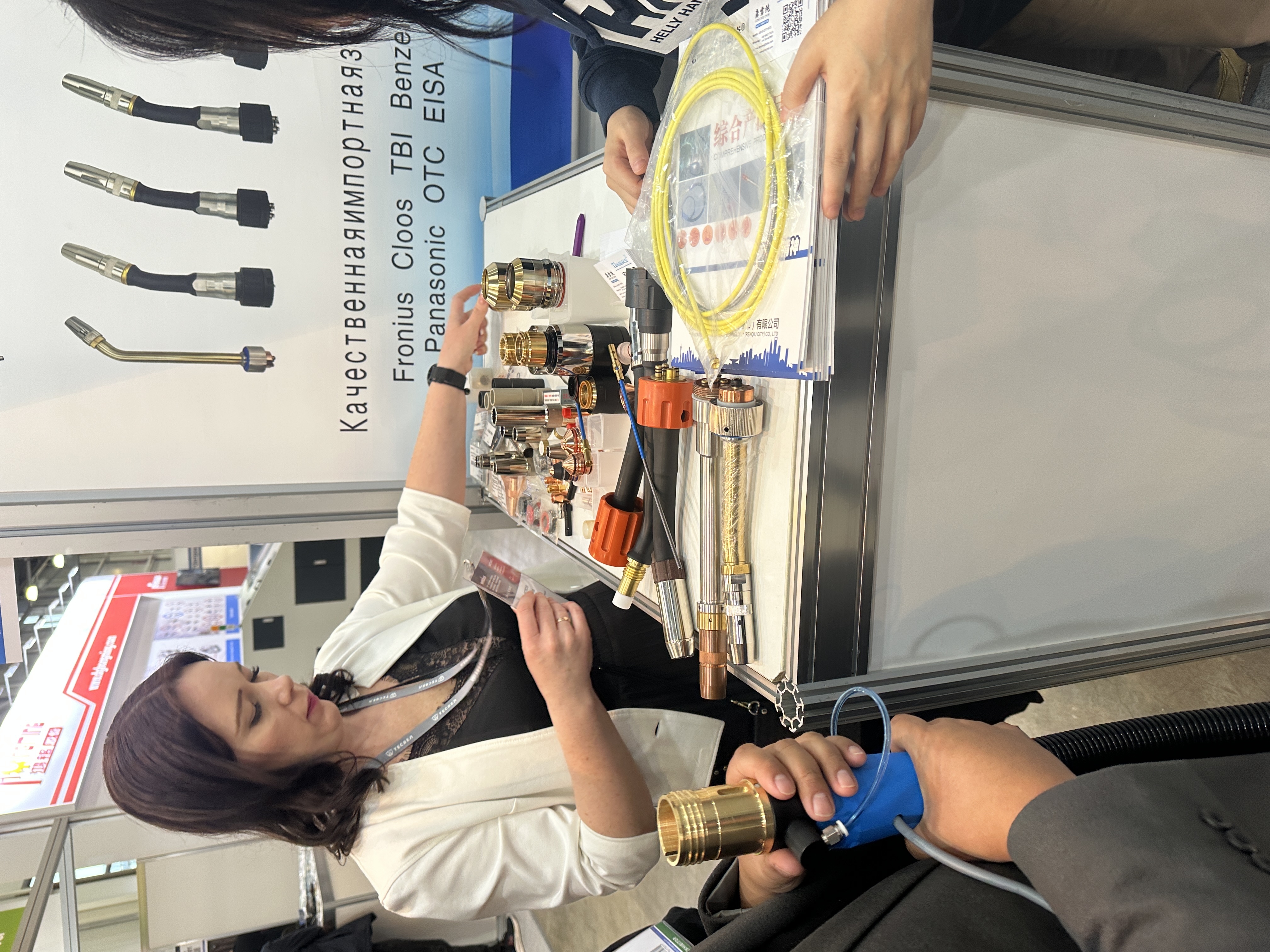
Understanding the Mechanics of a Robotic Welding Torch
May 20,2026

Image Source: unsplash
Introduction to Robotic Welding
In the world of manufacturing, the advent of robotics has revolutionized how we approach tasks that require precision and efficiency. One of the standout innovations in this field is the robotic welding torch, a tool that has become essential in various industries. But what's the secret sauce behind its operation? Let's dive in!
What is a Robotic Welding Torch?
At its core, a robotic welding torch is a device that automates the welding process using a robot arm. It typically consists of a welding gun, a power supply, and a controller. The automation allows for consistent quality, reduced labor costs, and increased speed. You could say it's like having a robot buddy that never gets tired!
How Does It Work?
Now, let's break down the workings of this nifty gadget. The robotic welding torch operates through a series of coordinated movements dictated by a pre-programmed set of instructions. Here's the lowdown:
1. Programming the Robot
The first step is to program the robotic arm. This involves feeding it a series of commands that dictate the path it will take, the speed of movement, and the type of welding required. Think of it as teaching a dance routine to a new partner!
2. Welding Process Initiation
Once programmed, the robot gets to work. It moves the welding torch to the specified location, ensuring the right angle and distance from the material being welded. This precision is something human welders can only dream of achieving consistently.
3. The Actual Welding
When the torch reaches the target area, it activates the welding process. Whether it's MIG, TIG, or another welding method, the robotic welding torch applies heat to melt the base materials together, forming a strong bond. It's like magic, but with science!
Benefits of Using a Robotic Welding Torch
So why should industries make the switch? Well, here's the scoop:
- Consistency: Robotic welders don't have off days. They deliver uniform results every single time.
- Speed: These machines can work at a lightning pace, significantly increasing productivity.
- Safety: By automating dangerous tasks, we minimize the risk of injury to human workers.
- Cost-Effectiveness: Although the initial investment can be hefty, savings on labor and materials make it worthwhile.
Applications Across Industries
Robotic welding isn't just a fad; it's here to stay. You'll find the robotic welding torch in:
- Automotive: From car frames to exhaust systems, robotic welding is ubiquitous in car manufacturing.
- Aerospace: The precision required in aerospace components makes robotic welding a perfect fit.
- Construction: Structural steel components are often welded using robotics for strength and reliability.
- Electronics: Even in smaller applications, like circuit boards, robotics play a crucial role.
Future Trends in Robotic Welding
As technology advances, we can expect to see even more improvements in robotic welding. Integration with artificial intelligence could lead to smarter robots that learn from their environment, adapting in real-time to ensure top-notch performance.
Conclusion
In summary, the robotic welding torch is more than just a tool; it represents the future of manufacturing. With its ability to enhance productivity, safety, and quality, it's clear why industries are eager to embrace this technology. So, if you're in the manufacturing game, it might just be time to consider adding a robotic welding torch to your toolkit!
Hot Tags:
Contact Us
E-mail:
Phone/WhatsApp:
Address:
Industrial Zone, Lvgongbao Town, Renqiu City, Hebei Province, China
