

10 Tips for Choosing the Right Contact Tip for Metal Processing Machinery
Aug 29,2023
Table of Contents:
1. Introduction
2. Tip Size Matters
3. Material Considerations
4. Consider Your Application
5. Match Tip Style to Welding Technique
6. Quality and Durability
7. Compatibility with Consumables
8. Get the Right Fit
9. Cost and Value Analysis
10. Seek Expert Advice
11. Frequently Asked Questions (FAQs)
12. Conclusion
When it comes to metal processing machinery, choosing the right c
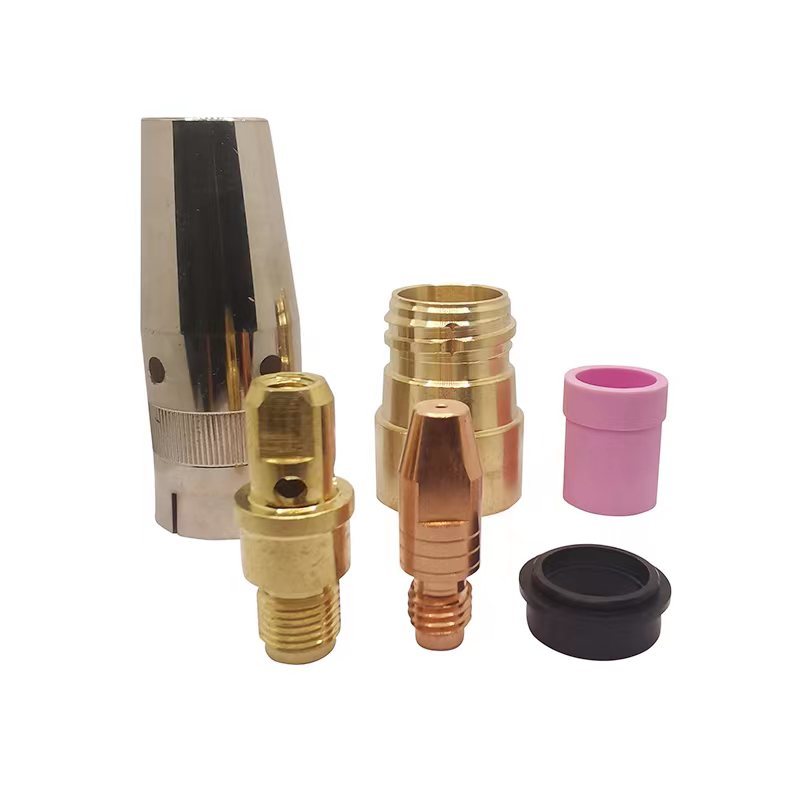
Table of Contents:
1. Introduction
2. Tip Size Matters
3. Material Considerations
4. Consider Your Application
5. Match Tip Style to Welding Technique
6. Quality and Durability
7. Compatibility with Consumables
8. Get the Right Fit
9. Cost and Value Analysis
10. Seek Expert Advice
11. Frequently Asked Questions (FAQs)
12. Conclusion
When it comes to metal processing machinery, choosing the right contact tip is crucial for achieving optimal results. A contact tip is a small but significant component that connects the welding wire to the welding gun. It plays a vital role in wire feeding, electrical conductivity, and arc stability. This article will guide you through ten essential tips to help you select the right contact tip for your metal processing machinery.
The size of the contact tip is a critical factor that directly influences the welding process. Selecting the correct tip size is essential to ensure proper wire feeding and prevent issues like wire jamming or erratic arc. Consider the wire diameter and thickness of the materials you will be welding to determine the suitable contact tip size.
Contact tips are available in various materials, including copper, chrome-zirconium, and other alloys. Copper tips are the most common due to their excellent electrical conductivity and heat dissipation properties. However, for high-temperature applications or when welding thick materials, chrome-zirconium or other alloy tips may provide better durability.
Different applications have specific requirements when it comes to contact tips. For example, if you are working with aluminum, you may need a contact tip designed to handle the unique characteristics of this metal. Consider the specific demands of your application, such as wire type, welding technique, and material thickness, to choose a contact tip that meets your needs.
There are various welding techniques, such as MIG (Metal Inert Gas) and TIG (Tungsten Inert Gas), each requiring a specific type of contact tip. MIG welding typically uses a straight bore or tapered contact tip, while TIG welding requires a gas lens or collet body design. Matching the tip style to your welding technique ensures optimal performance and weld quality.
Investing in high-quality contact tips is essential to ensure longevity and consistent performance. Inferior quality tips can lead to rapid wear, poor wire feeding, and increased downtime. Look for reputable brands known for producing durable and reliable contact tips to avoid unnecessary complications and ensure smooth operations.
Consider the compatibility of the contact tip with the consumables you use, such as nozzles, diffusers, and liners. Each component should work together seamlessly to optimize the wire feeding process and ensure consistent arc stability. Choosing a contact tip that is compatible with your existing consumables will save you time and effort in the long run.
Contact tips come in various shapes and sizes, and it is crucial to ensure a proper fit within your welding gun. Using an ill-fitting tip can lead to issues like poor electrical contact, wire drag, and inconsistent arc. Refer to your equipment's user manual or consult with a professional to ensure you select a contact tip that fits correctly.
While it is essential to consider your budget, do not compromise on quality or performance. Opting for cheaper, low-quality contact tips may seem cost-effective initially but can result in increased maintenance costs, decreased productivity, and poor weld quality. Conduct a thorough cost and value analysis to find the right balance between affordability and performance.
If you are unsure about which contact tip is best suited for your metal processing machinery, do not hesitate to seek expert advice. Reach out to manufacturers, suppliers, or experienced welders who can provide valuable insights and recommendations based on their expertise. Their knowledge can help you make an informed decision and avoid costly mistakes.
1. Q: How often should I replace the contact tip?
A: Contact tips should be inspected regularly and replaced if worn or damaged. The frequency of replacement depends on factors such as welding intensity and material type.
2. Q: Can I use different contact tip sizes with the same welding wire?
A: It is generally recommended to match the contact tip size to the wire diameter for optimal performance and weld quality. However, slight variations may be acceptable depending on the application.
3. Q: What causes contact tip burnback, and how can I prevent it?
A: Contact tip burnback can occur due to factors like improper wire feed speed, incorrect tip size, or insufficient shielding gas flow. Following proper welding techniques and maintaining equipment settings can help prevent burnback.
4. Q: Are all contact tips universal and interchangeable?
A: While some contact tips may have universal compatibility, it is crucial to ensure compatibility with your specific welding gun and consumables. Refer to manufacturer guidelines for the best results.
5. Q: Can I clean and reuse contact tips?
A: It is generally not recommended to clean and reuse contact tips. Worn or contaminated tips can lead to poor wire feeding and compromised weld quality. Regularly replacing tips is the best practice.
Choosing the right contact tip for your metal processing machinery is crucial for achieving optimal performance and weld quality. Consider factors such as tip size, material, application, welding technique, and compatibility with consumables. Focus on quality, durability, and the right fit to ensure smooth operations and minimize downtime. Seek expert advice when needed and conduct a cost and value analysis to find the best balance for your requirements. By following these ten tips, you can make an informed decision and select the perfect contact tip for your metal processing needs.
1. Introduction
2. Tip Size Matters
3. Material Considerations
4. Consider Your Application
5. Match Tip Style to Welding Technique
6. Quality and Durability
7. Compatibility with Consumables
8. Get the Right Fit
9. Cost and Value Analysis
10. Seek Expert Advice
11. Frequently Asked Questions (FAQs)
12. Conclusion
When it comes to metal processing machinery, choosing the right contact tip is crucial for achieving optimal results. A contact tip is a small but significant component that connects the welding wire to the welding gun. It plays a vital role in wire feeding, electrical conductivity, and arc stability. This article will guide you through ten essential tips to help you select the right contact tip for your metal processing machinery.
The size of the contact tip is a critical factor that directly influences the welding process. Selecting the correct tip size is essential to ensure proper wire feeding and prevent issues like wire jamming or erratic arc. Consider the wire diameter and thickness of the materials you will be welding to determine the suitable contact tip size.
Contact tips are available in various materials, including copper, chrome-zirconium, and other alloys. Copper tips are the most common due to their excellent electrical conductivity and heat dissipation properties. However, for high-temperature applications or when welding thick materials, chrome-zirconium or other alloy tips may provide better durability.
Different applications have specific requirements when it comes to contact tips. For example, if you are working with aluminum, you may need a contact tip designed to handle the unique characteristics of this metal. Consider the specific demands of your application, such as wire type, welding technique, and material thickness, to choose a contact tip that meets your needs.
There are various welding techniques, such as MIG (Metal Inert Gas) and TIG (Tungsten Inert Gas), each requiring a specific type of contact tip. MIG welding typically uses a straight bore or tapered contact tip, while TIG welding requires a gas lens or collet body design. Matching the tip style to your welding technique ensures optimal performance and weld quality.
Investing in high-quality contact tips is essential to ensure longevity and consistent performance. Inferior quality tips can lead to rapid wear, poor wire feeding, and increased downtime. Look for reputable brands known for producing durable and reliable contact tips to avoid unnecessary complications and ensure smooth operations.
Consider the compatibility of the contact tip with the consumables you use, such as nozzles, diffusers, and liners. Each component should work together seamlessly to optimize the wire feeding process and ensure consistent arc stability. Choosing a contact tip that is compatible with your existing consumables will save you time and effort in the long run.
Contact tips come in various shapes and sizes, and it is crucial to ensure a proper fit within your welding gun. Using an ill-fitting tip can lead to issues like poor electrical contact, wire drag, and inconsistent arc. Refer to your equipment's user manual or consult with a professional to ensure you select a contact tip that fits correctly.
While it is essential to consider your budget, do not compromise on quality or performance. Opting for cheaper, low-quality contact tips may seem cost-effective initially but can result in increased maintenance costs, decreased productivity, and poor weld quality. Conduct a thorough cost and value analysis to find the right balance between affordability and performance.
If you are unsure about which contact tip is best suited for your metal processing machinery, do not hesitate to seek expert advice. Reach out to manufacturers, suppliers, or experienced welders who can provide valuable insights and recommendations based on their expertise. Their knowledge can help you make an informed decision and avoid costly mistakes.
1. Q: How often should I replace the contact tip?
A: Contact tips should be inspected regularly and replaced if worn or damaged. The frequency of replacement depends on factors such as welding intensity and material type.
2. Q: Can I use different contact tip sizes with the same welding wire?
A: It is generally recommended to match the contact tip size to the wire diameter for optimal performance and weld quality. However, slight variations may be acceptable depending on the application.
3. Q: What causes contact tip burnback, and how can I prevent it?
A: Contact tip burnback can occur due to factors like improper wire feed speed, incorrect tip size, or insufficient shielding gas flow. Following proper welding techniques and maintaining equipment settings can help prevent burnback.
4. Q: Are all contact tips universal and interchangeable?
A: While some contact tips may have universal compatibility, it is crucial to ensure compatibility with your specific welding gun and consumables. Refer to manufacturer guidelines for the best results.
5. Q: Can I clean and reuse contact tips?
A: It is generally not recommended to clean and reuse contact tips. Worn or contaminated tips can lead to poor wire feeding and compromised weld quality. Regularly replacing tips is the best practice.
Choosing the right contact tip for your metal processing machinery is crucial for achieving optimal performance and weld quality. Consider factors such as tip size, material, application, welding technique, and compatibility with consumables. Focus on quality, durability, and the right fit to ensure smooth operations and minimize downtime. Seek expert advice when needed and conduct a cost and value analysis to find the best balance for your requirements. By following these ten tips, you can make an informed decision and select the perfect contact tip for your metal processing needs.
Hot Tags:
Contact Us
E-mail:
Phone/WhatsApp:
Address:
Industrial Zone, Lvgongbao Town, Renqiu City, Hebei Province, China
