

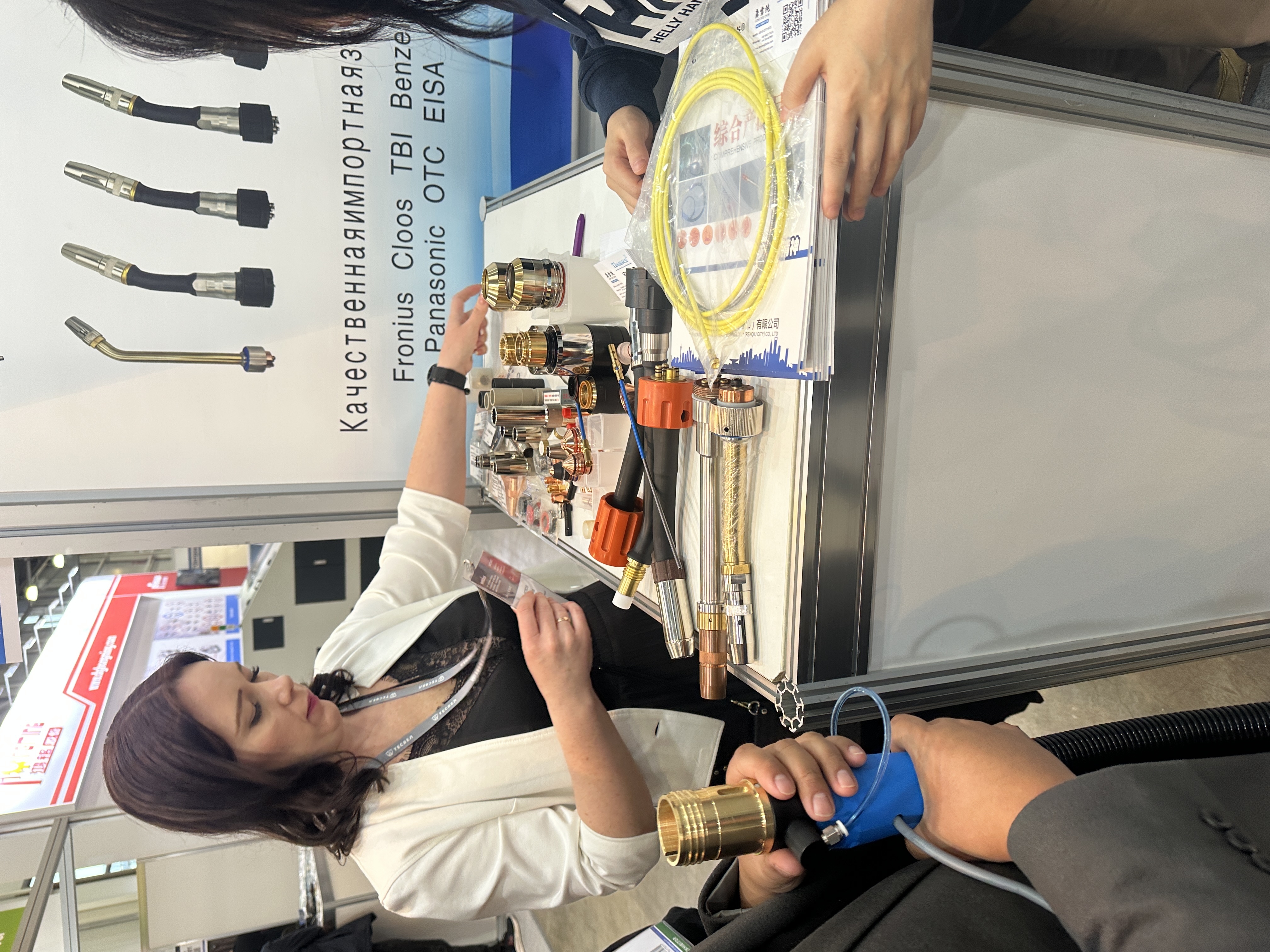
The Future of Welding: Harnessing Robot Welding Guns
Apr 17,2026

Image Source: unsplash
Introduction to Robot Welding Guns
In the ever-evolving world of manufacturing, robot welding guns have become a game changer. Imagine a workshop where precision meets speed, and where the risks of human error are significantly reduced. Sounds dreamy, right? Well, it's happening right now!
What Are Robot Welding Guns?
So, what exactly are these robotic marvels? Essentially, they are mechanical devices designed to perform welding tasks with utmost accuracy and efficiency. Equipped with advanced sensors and software, robot welding guns can execute intricate welds that might baffle even the most skilled human welders.
Why Choose Robot Welding Guns?
Now, you might be wondering, why should industries opt for these robotic alternatives? Well, let's break it down:
- Consistency: Robot welding guns deliver uniform results every single time. This means you can say goodbye to those pesky variations that often come with manual welding.
- Speed: With the ability to work tirelessly, these machines can significantly cut down production time, allowing for faster turnaround on projects.
- Safety: Welding can be dangerous, and having robots take on the heavy lifting reduces the risk of injuries on the shop floor.
Industries Benefiting from Robot Welding Guns
From automotive to construction, the applications of robot welding guns are vast. Let's take a look:
- Automotive Industry: Here, precision is key. Robot welding guns ensure that every joint is perfect, making vehicles safer and more reliable.
- Aerospace: The aerospace sector has no room for error. Robotic welders ensure that every part meets stringent safety standards, contributing to the reliability of aircraft.
- Construction: In building structures, strength is paramount. Robotic welding can create robust connections that stand the test of time.
Challenges in Implementing Robot Welding Guns
While the advantages are clear, integrating robot welding guns into a production line can come with its own set of hurdles:
- Initial Costs: The upfront investment can be hefty. However, companies often find that the long-term savings on labor and materials offset this expense.
- Training: Workers may need to be trained to operate and maintain these machines effectively, which requires time and resources.
The Future of Welding with Robots
With technological advancements, the future looks bright for robot welding guns. As AI and machine learning continue to develop, we can expect even smarter machines that can adapt to various welding conditions autonomously. Imagine a future where robots are not just tools but partners in the manufacturing process!
Conclusion
In conclusion, the integration of robot welding guns into manufacturing processes represents a significant leap forward. By embracing these innovative tools, industries can not only enhance their production capabilities but also pave the way for safer and more efficient work environments. So, are you ready to join the revolution?
Hot Tags:
Contact Us
E-mail:
Phone/WhatsApp:
Address:
Industrial Zone, Lvgongbao Town, Renqiu City, Hebei Province, China
