

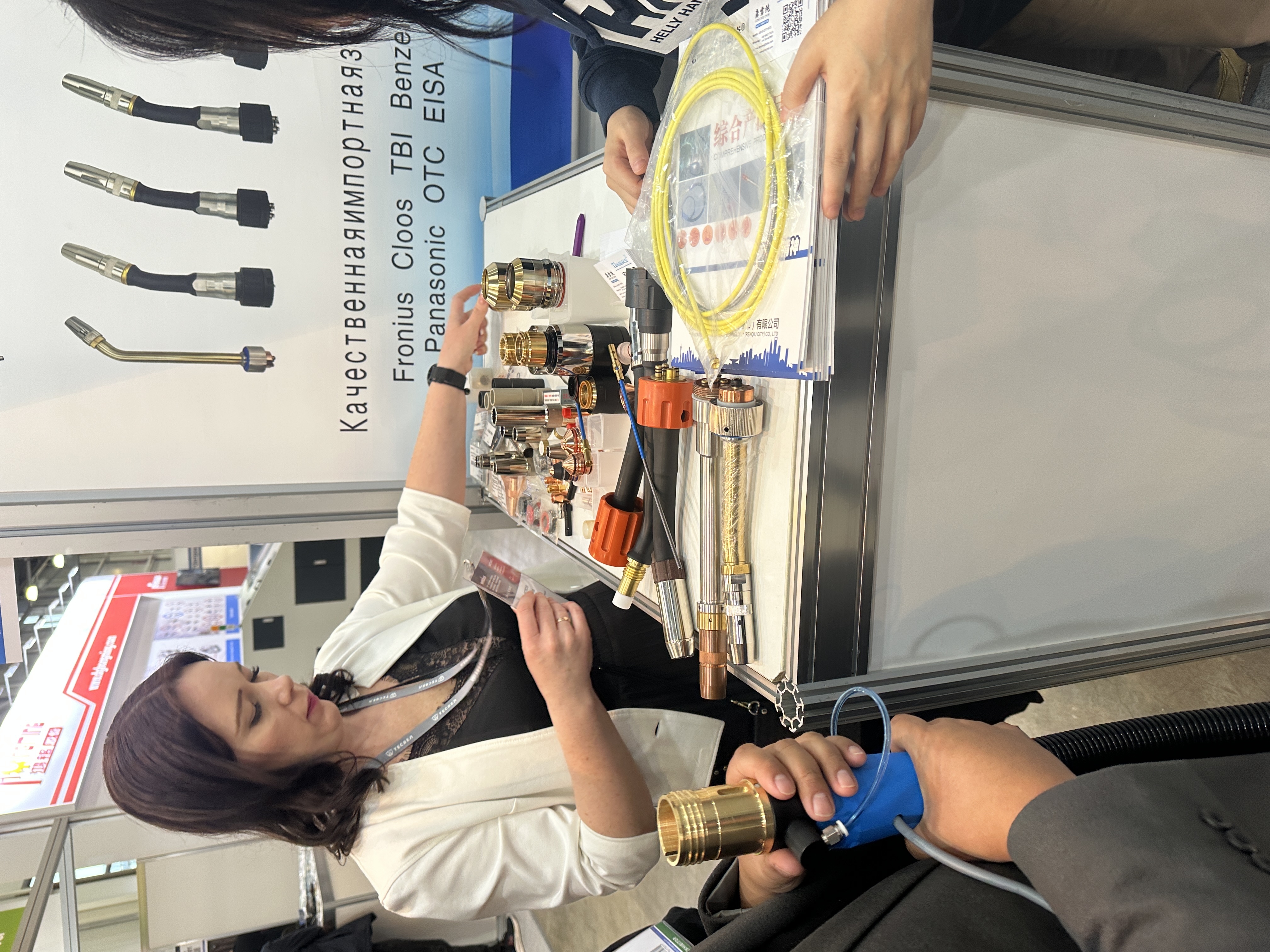
Understanding the Mechanics of Robot Welding Guns
Apr 20,2026

Image Source: unsplash
An Introduction to Robot Welding Guns
Ever wondered how those futuristic machines buzz and whir while effortlessly crafting metal joints? Enter the realm of robot welding guns, the unsung heroes of modern manufacturing. These high-tech tools are not just about sparks and metal; they embody a blend of engineering marvel and precision that can transform production lines.
What Exactly Are Robot Welding Guns?
In simple terms, robot welding guns are automated devices that apply heat and pressure to join materials, typically metals. Think of them as the diligent workers in a factory, tirelessly performing tasks that require precision and repetition. They can execute various welding techniques, from MIG and TIG to spot welding, depending on the project's needs.
How Do They Work?
Alright, let's get into the nitty-gritty! So, how do these machines actually function? The operation of robot welding guns can be broken down into a few simple steps:
- Programming: The first step involves programming the robot to understand where and how to weld. This is usually done via sophisticated software that maps out the welding path.
- Positioning: Once programmed, the robot uses its arm to position the welding gun accurately. This is key, as even a tiny misalignment can lead to poor weld quality.
- Welding Process: When everything's in place, the welding gun heats up, melting the filler material and the base metals together. The robot ensures that the weld is consistent and follows the pre-defined path.
- Cooling: After the welding is complete, the joint cools down, solidifying the bond. This cooling phase is crucial, as it affects the strength and durability of the weld.
Benefits of Using Robot Welding Guns
Now that we've got the basics down, let's chat about why these machines have become so popular in various industries:
- Consistency: Unlike human welders, robot welding guns maintain a uniform welding quality. This means fewer defects and better overall product quality.
- Speed: They can operate at high speeds, significantly increasing production rates. This is particularly beneficial in industries where time is money!
- Safety: Automating the welding process reduces the risk of workplace accidents, keeping human workers safer and more focused on other tasks.
- Cost-Effectiveness: While the initial investment might be steep, the reduction in labor costs and increase in efficiency often lead to substantial savings in the long run.
Challenges and Considerations
Of course, no technology is without its challenges. Implementing robot welding guns can require significant upfront costs and a steep learning curve for staff. Moreover, maintenance is crucial to ensure these machines run smoothly and efficiently.
The Future of Welding Technology
As we look ahead, the evolution of robot welding guns is nothing short of exciting! Advancements in AI and machine learning are set to make these machines even smarter. Imagine robots that can learn from past projects, adapt to new materials, and optimize their welding processes in real-time. The future is bright, and the possibilities are endless!
Final Thoughts
In a nutshell, robot welding guns are transforming the landscape of manufacturing. They bring efficiency, safety, and consistency to the forefront, making them an essential tool in today's industrial world. Whether you're in automotive, aerospace, or any other sector, these innovative machines are paving the way for a more productive future.
Hot Tags:
Contact Us
E-mail:
Phone/WhatsApp:
Address:
Industrial Zone, Lvgongbao Town, Renqiu City, Hebei Province, China
